
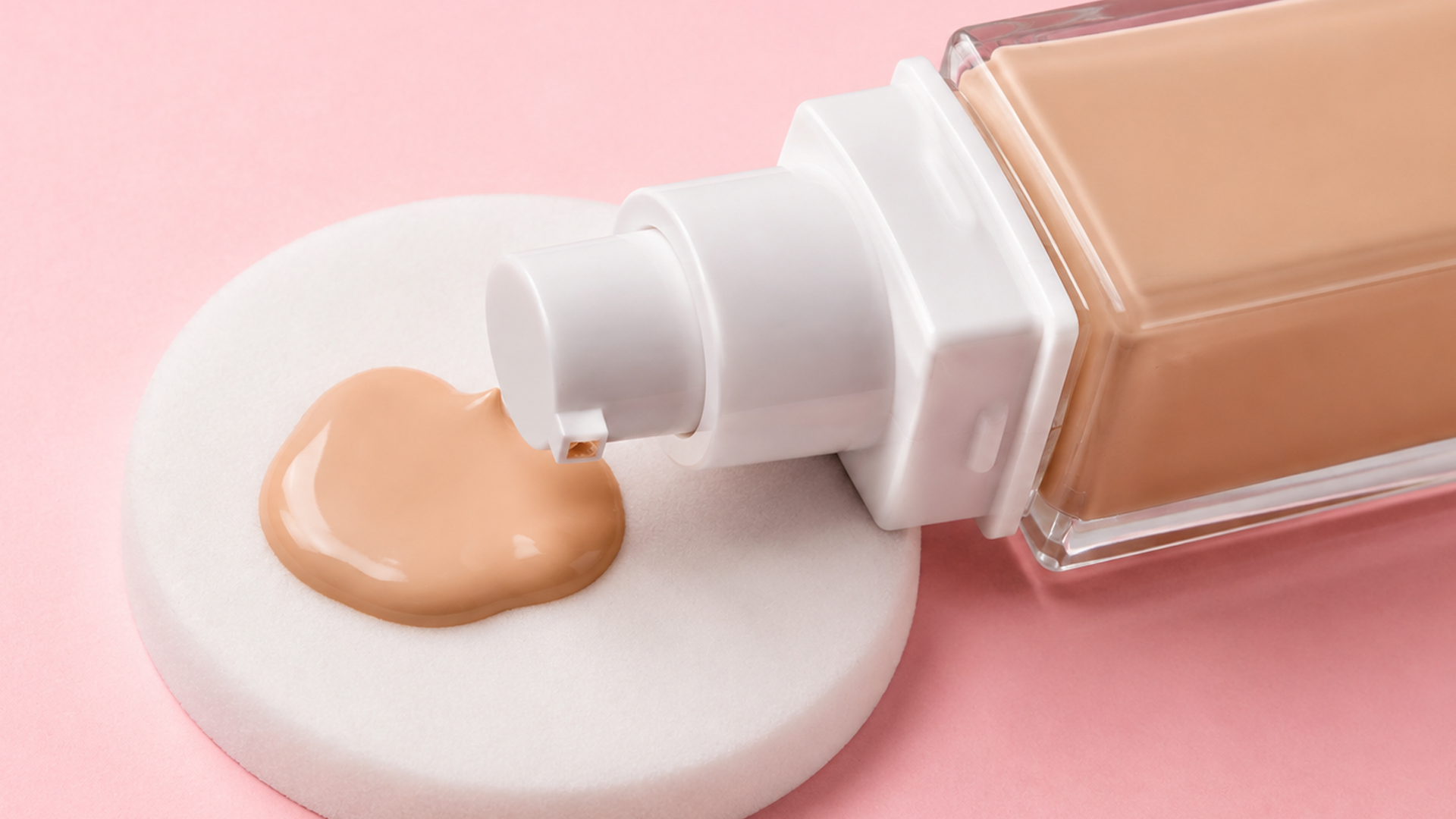
How Treatment Pumps Are Manufactured for Precision Skincare Dispensing
Treatment pumps occupy an interesting position between fragrance sprayers and standard lotion pumps.
They are generally used when a skincare formula needs controlled dispensing in a smaller, more precise amount.
Typical applications include:
- serum
- eye cream
- treatment lotion
- concentrated skincare
- light cream
- facial treatment products
For premium skincare, the pump has to do more than dispense liquid.
It should feel smooth, deliver a controlled dose and maintain a clean appearance after repeated use.
Why Treatment Pumps Require Tight Dimensional Control
Treatment pumps often use relatively small internal pumping chambers.
When the target output is low, small dimensional changes can have a noticeable effect on dosage.
Critical molded parts may include:
- actuator
- piston
- pump body
- stem
- valve components
- closure
Injection molding therefore requires tight process control.
The mold cavity, resin shrinkage and cooling conditions all influence final dimensions.
For high-volume production, multi-cavity consistency becomes particularly important.
Internal Pump Chamber Determines Output
The dosage of a treatment pump is largely determined by the effective displacement of the pump chamber.
Depending on design, treatment pumps may operate in approximate low-output ranges such as 0.15–0.5 mL per stroke, although exact specifications vary significantly by model.
For premium skincare, the goal is usually not maximum output.
The objective is controlled and repeatable dispensing.
A customer using a 15 ml eye treatment product may prefer much lower output than a brand using a 50 ml facial lotion.
The Importance of Valve Performance
A treatment pump relies on internal valves to control liquid movement.
The valve needs to:
- allow product into the chamber,
- prevent reverse flow,
- support priming,
- deliver a consistent dose.
If the valve does not seal correctly, the pump may lose prime or produce an incomplete dose after storage.
This is why repeated-use testing should include rest periods rather than only continuous pumping.
Spring and Actuation Feel
Premium skincare users notice pump feel.
An actuator that requires excessive force can make the package feel cheap or inconvenient.
A pump that is too soft may feel unstable.
Spring specification therefore affects:
- return speed
- actuation force
- tactile feel
- repeatability
For large-volume projects, spring supplier consistency is part of overall pump quality.
Formula Viscosity Changes Pump Performance
Treatment formulas range from very light serums to thicker emulsions.
A pump approved with water may not perform the same way with the final skincare product.
Testing should consider:
- viscosity
- oil content
- surfactants
- suspended ingredients
- temperature behavior
For formulas near the upper viscosity limit of a pump design, stability testing becomes particularly important.
Manufacturing Sequence
A typical production flow may include:
1. Mold development and maintenance
Precision tooling for actuator, closure and internal parts.
2. Injection molding
Controlled production of plastic components.
3. Spring and metal component preparation
According to pump structure.
4. Seal and gasket preparation
Material selected according to design and formulation requirements.
5. Automated or semi-automated assembly
6. Functional inspection
7. Output and leakage sampling
8. Packing under controlled cleanliness conditions
For buyers ordering treatment pumps in high volume, understanding this process helps explain why two visually identical pumps may perform differently.