
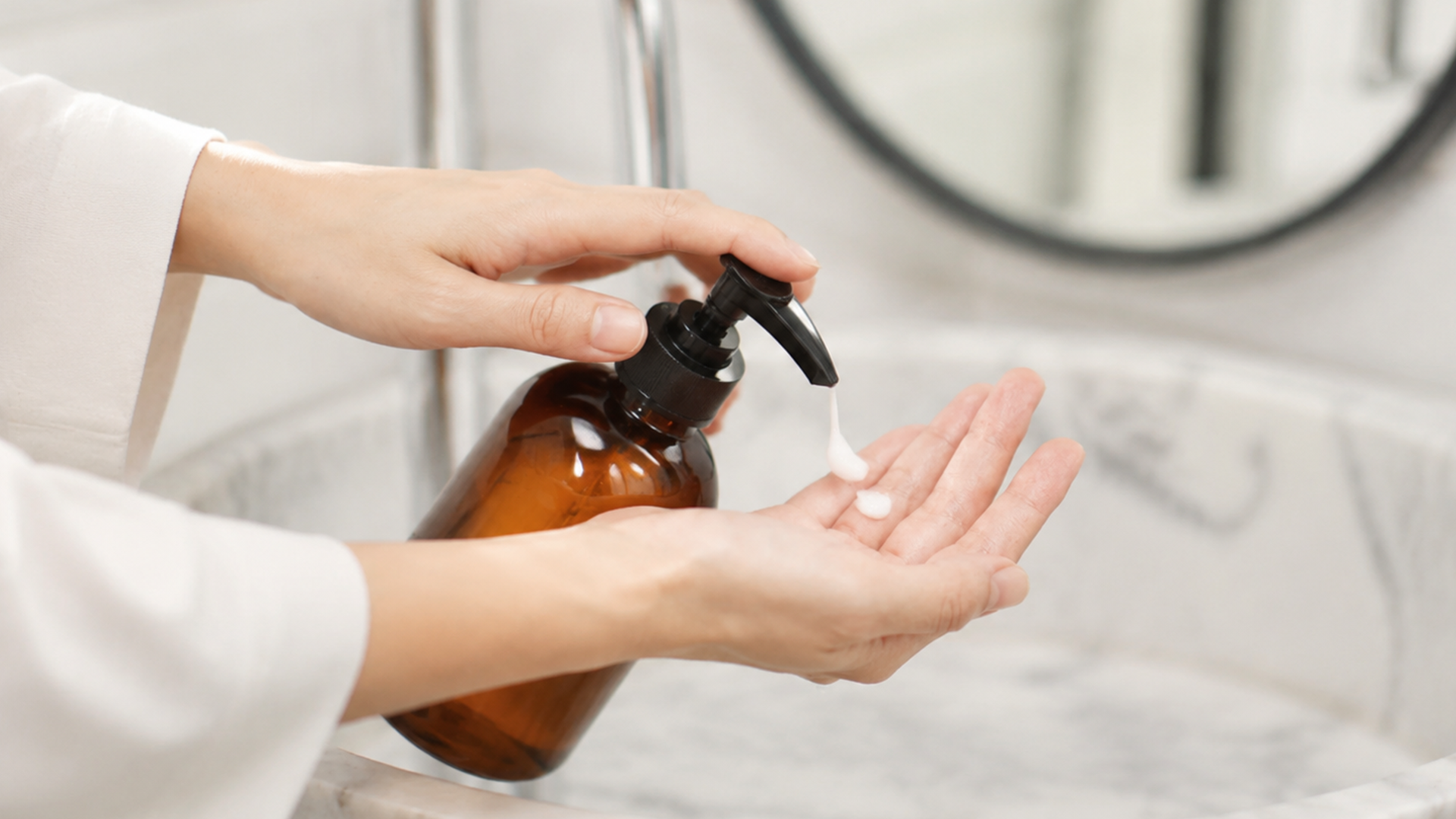
How Lotion Pumps Are Manufactured for High-Volume Packaging
Lotion pumps are among the most widely used dispensing systems in personal care packaging, but they are also among the easiest products to underestimate.
A standard lotion pump may contain more than ten individual components.
Every time the consumer presses the actuator, these parts must move, seal, draw product and return in a repeatable sequence.
At a production volume of one million pumps, even a small process variation can become a significant quality issue.
Injection Molding Is the Foundation
The plastic components of a lotion pump may include:
- actuator
- closure
- pump body
- piston
- stem
- dip tube interface
- internal valve components
Different components may use PP, PE or other suitable polymers depending on design requirements.
The molding process needs to control dimensional accuracy and surface quality.
Critical variables include:
- resin drying or conditioning where applicable
- injection temperature
- injection pressure
- mold temperature
- cycle time
- cooling balance
- cavity variation
For pump components with sealing or sliding surfaces, flash and deformation are particularly important defects to control.
Spring Manufacturing and Selection
Many lotion pumps use a metal spring.
The spring controls actuator return and contributes to operating force.
Technical factors may include:
- wire diameter
- coil count
- free length
- spring rate
- corrosion resistance
Inconsistent springs can create noticeable changes in pump feel.
For certain packaging programs, buyers may also ask about metal-contact reduction or alternative pump constructions depending on formulation and sustainability requirements.
Pump Output Engineering
Lotion pump output is mainly determined by pump chamber displacement.
Depending on design, common commercial pumps may dispense approximately 0.5 mL, 1.0 mL, 1.5 mL, 2.0 mL, 3.0 mL or more per actuation.
Actual ranges vary by model.
For bulk buyers, output should be selected based on:
- formula viscosity
- bottle capacity
- intended dose
- consumer behavior
- product positioning
A 30 ml concentrated skincare lotion and a 1-liter salon shampoo should not use the same output strategy.
Automated Assembly
Large-volume lotion pump production benefits from automated assembly because a pump contains many small parts.
Assembly equipment may handle:
- spring insertion
- piston assembly
- valve positioning
- closure assembly
- actuator installation
- dip tube installation
Sensors and inspection stations may be used to detect missing or incorrectly positioned components.
The production line should be designed to minimize variation, not simply maximize speed.
Functional Testing
Typical quality checks may include:
Priming test
How many strokes are needed to begin dispensing?
Output test
Does the pump deliver the specified amount?
Actuator return
Does it return completely after each stroke?
Leakage test
Does the assembly remain sealed under defined conditions?
Locking test
Does the up-lock or down-lock mechanism function correctly?
Compatibility evaluation
Can the pump handle the intended viscosity and formulation?
Why Bulk Buyers Need Process Data
When sourcing 10,000 pumps, visual inspection may catch many issues.
When sourcing 1,000,000 pumps, quality depends on manufacturing capability.
The buyer therefore needs confidence not only in the product sample, but also in:
- mold maintenance
- process control
- component sourcing
- assembly stability
- batch traceability
- inspection standards
That is what separates a scalable lotion pump supply program from a one-time sample approval.