Delivers a fine, even mist for lightweight liquids such as toners, facial mists, hair sprays, and fragrances. Available in three fitting types to match different bottle neck designs and production requirements.
SUNMART
01
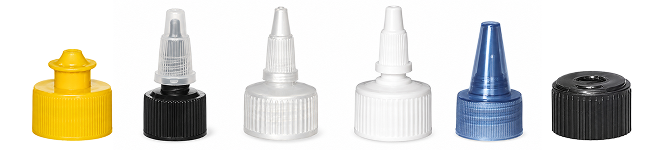
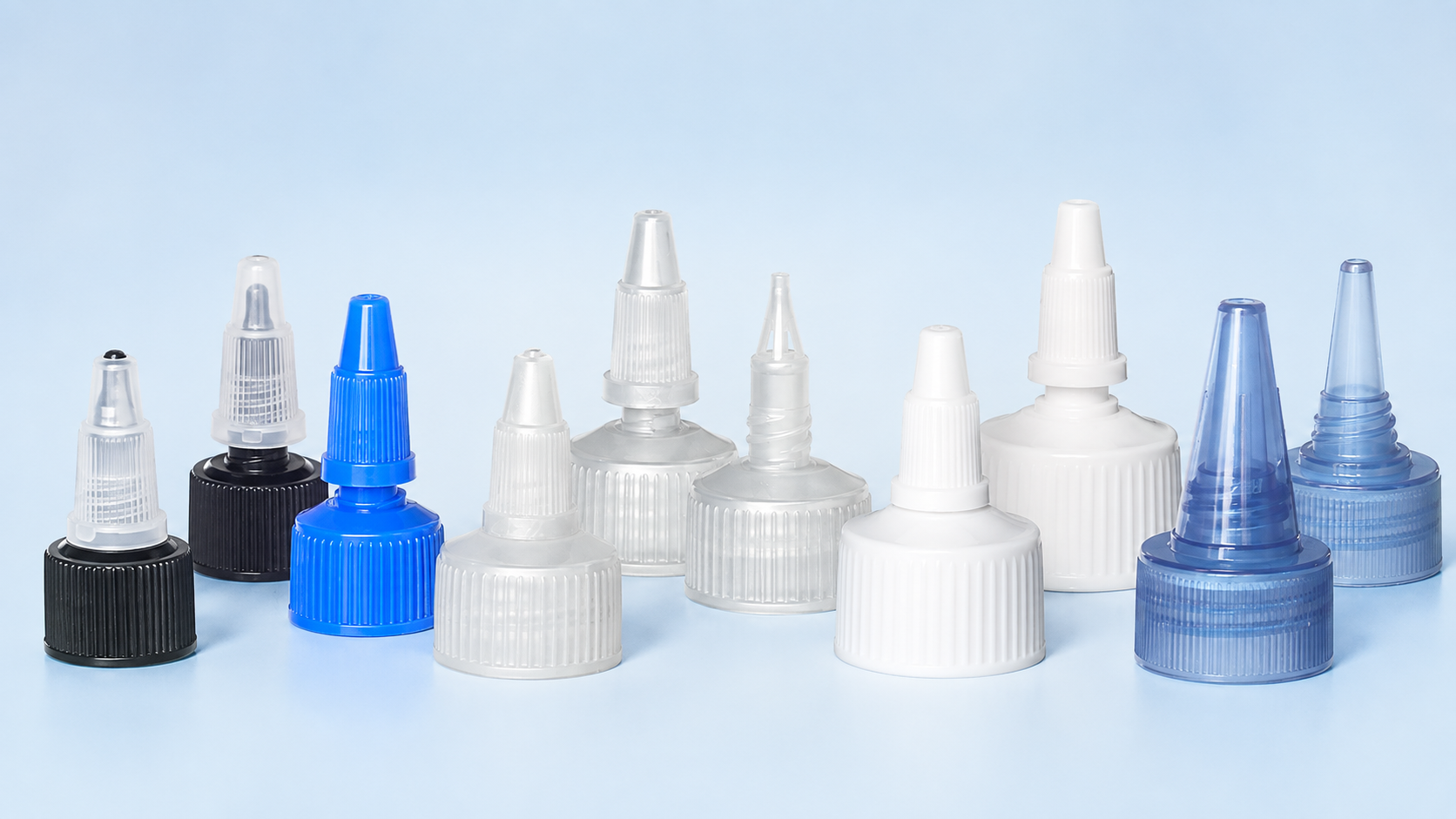
Screw Cap
Secured via a continuous thread that engages tightly with the bottle neck. The most fundamental and widely used closure type, suitable for personal care, home care, food, and beverage bottles alike.
SUNMART
02
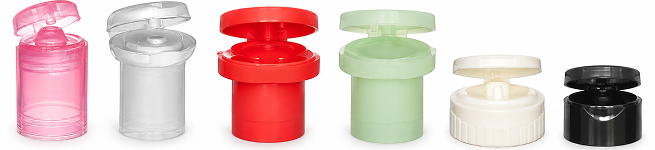
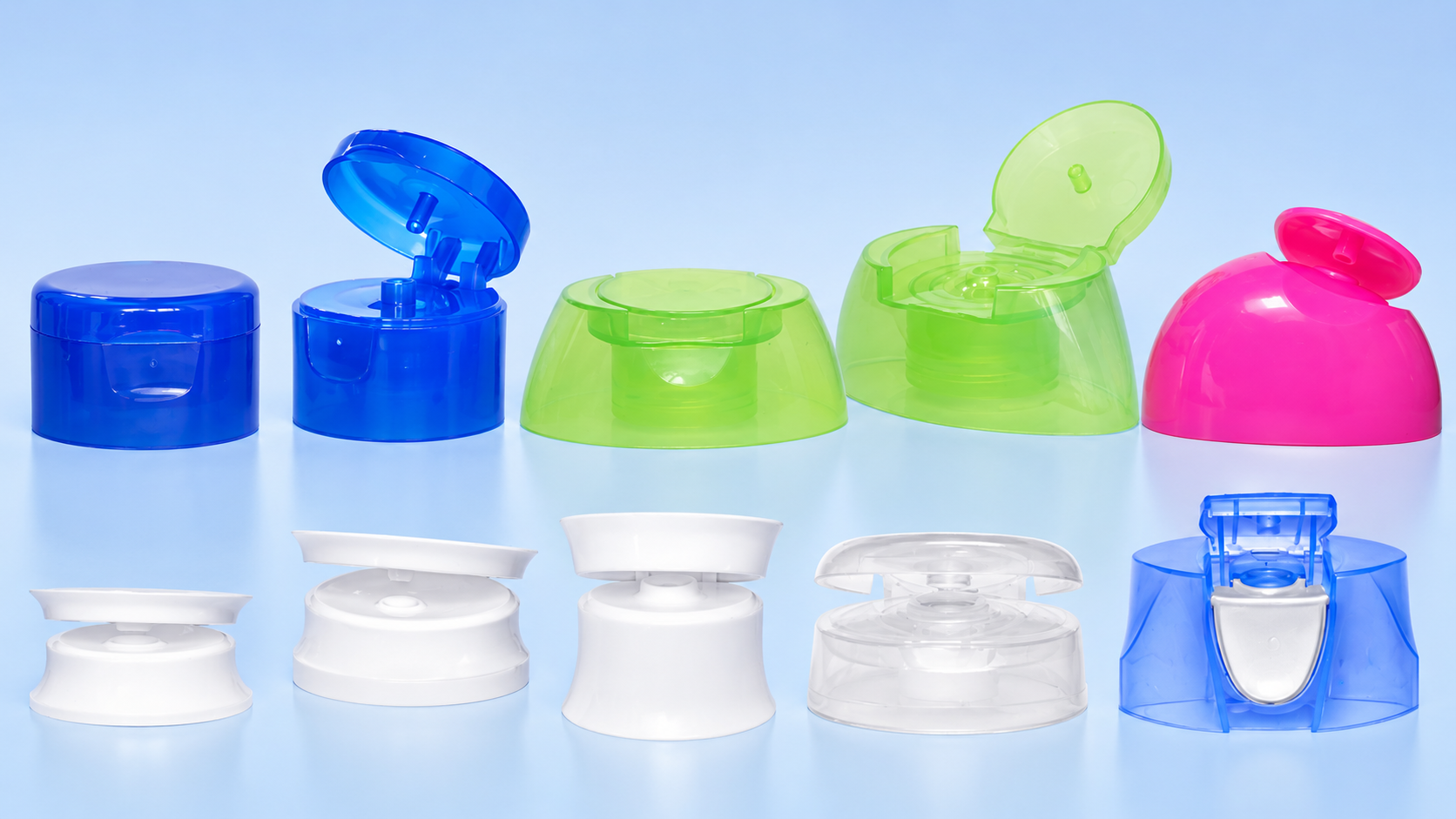
Flip-top Cap
Opens and closes with one hand via a hinged lid, without requiring full removal from the bottle. Enables faster, more convenient dispensing — commonly used on shampoo, body wash, and other squeeze-bottle packaging.
SUNMART
03
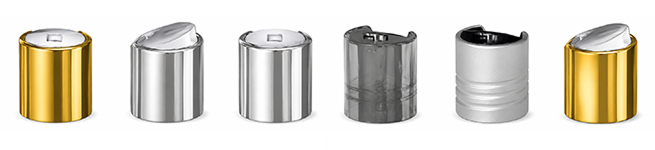
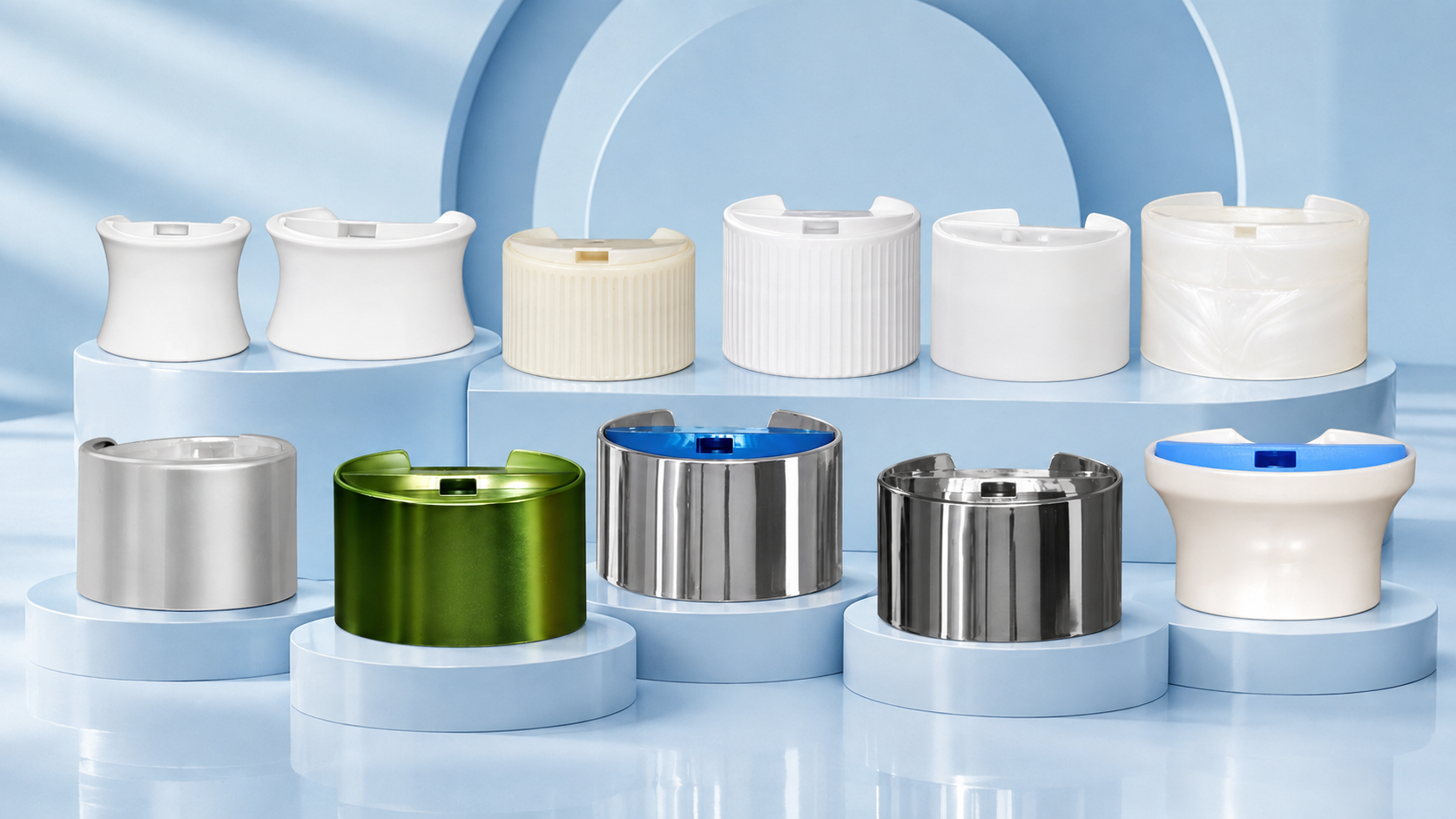
Disc-top Cap
Features a push-button dispensing orifice on the cap face that opens under light pressure and closes automatically when released, giving controlled, mess-free dispensing for lotions and gels.
SUNMART
04
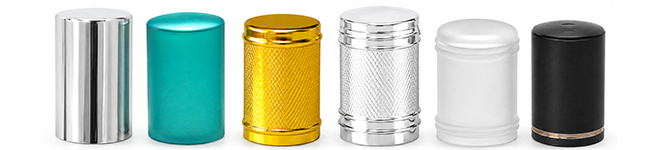
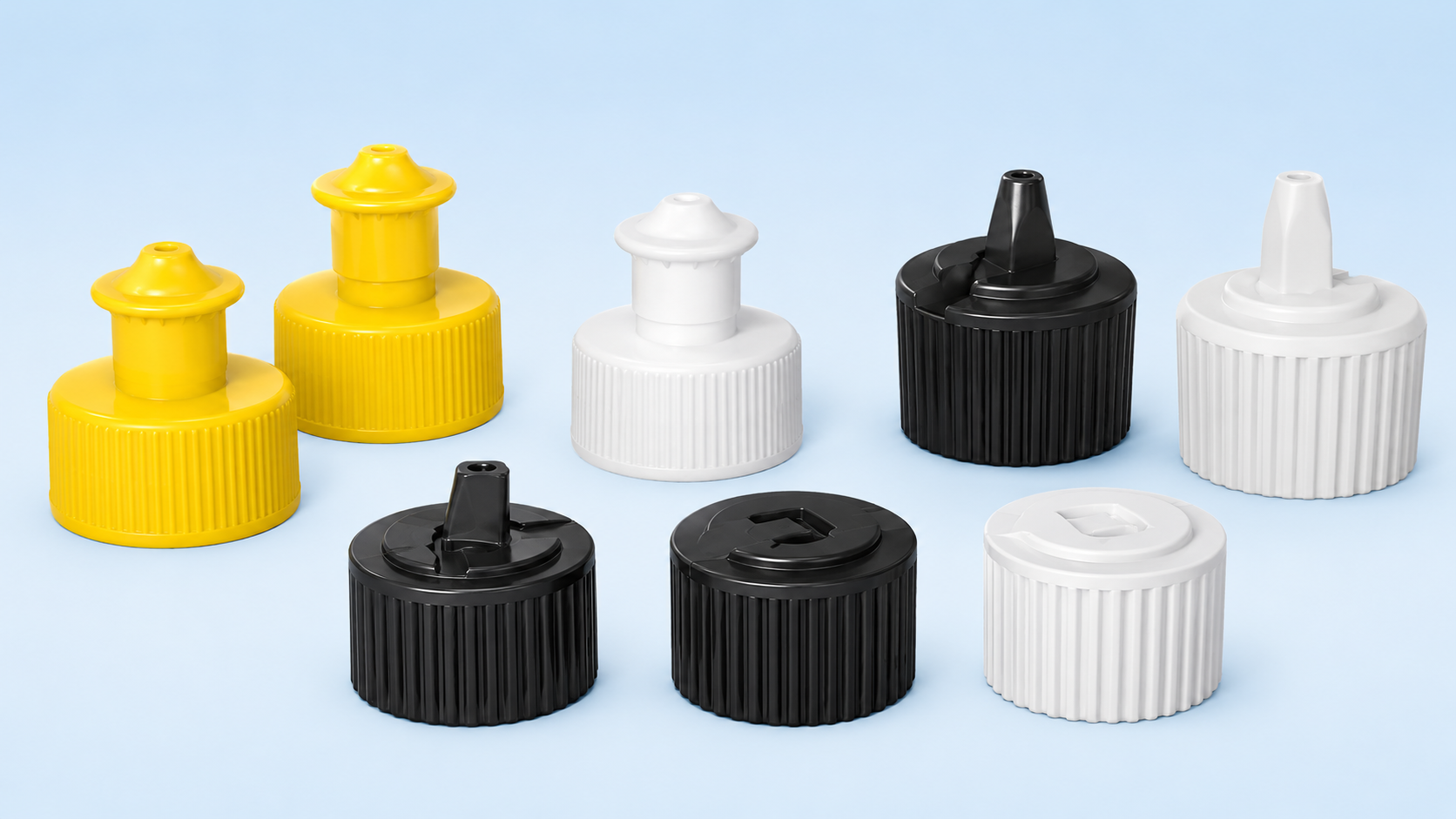
Snap-on Cap
Secured by a direct snap-fit engagement rather than threading, enabling faster application on high-speed filling lines and large-volume production runs.
Specifications
Caps and closures are available in a broad range of opening mechanisms, materials, liner types, and finishes to suit different sealing and dispensing needs. Buyers can choose from screw, flip-top, disc-top, and snap-on closures, along with tamper-evident and child-resistant safety options to meet regulatory requirements. Neck sizes and surface finishes are fully customizable, ensuring a precise, secure fit with the bottle of your choice.
MOQ typically starts around 50,000–100,000 pieces for standard neck sizes and colors; custom molds or unique closure designs may require higher volumes and additional tooling investment.
2. Can closures be matched to our existing bottle neck finish?
Yes. Closures are available across SPI-graded neck sizes from 18mm to 53mm, with dip tube and liner options customized to fit your specific bottle and formulation.
3. What liner options are available for different formulations?
PE foam, pressure-sensitive, induction foil seal, and foil-paperboard composite liners are available, along with unlined options for products that don’t require an inner seal.
4. Are child-resistant and tamper-evident options available?
Yes, both features are available as add-ons for regulated pharmaceutical, chemical, and OTC healthcare products, and can be combined on a single closure if required.
5. What materials can closures be made from, and are recycled options available?
PP, PE, PET, PC, and PVC are all available, along with PCR (post-consumer recycled) content up to 100% for buyers with sustainability targets.
6. What decoration and branding options are available?
Electroplating, color spray, metal wrap, hot stamping, and silkscreen printing are all available for private-label differentiation.
7. What is the typical lead time for bulk orders?
Standard configurations typically ship in 4–6 weeks; custom decoration, liner selection, or tooling may extend lead time to 8–12 weeks depending on complexity.
8. Can we get product samples before placing a bulk order?
Yes, samples of standard closures are generally available upon request; custom or decorated samples may involve a separate sampling lead time and fee.
Get In Touch
Tell us a bit about your information, and our team will reach out as soon as possible
Manage Consent
To provide the best experiences, we use technologies like cookies to store and/or access device information. Consenting to these technologies will allow us to process data such as browsing behavior or unique IDs on this site. Not consenting or withdrawing consent, may adversely affect certain features and functions.
Functional
Always active
The technical storage or access is strictly necessary for the legitimate purpose of enabling the use of a specific service explicitly requested by the subscriber or user, or for the sole purpose of carrying out the transmission of a communication over an electronic communications network.
Preferences
The technical storage or access is necessary for the legitimate purpose of storing preferences that are not requested by the subscriber or user.
Statistics
The technical storage or access that is used exclusively for statistical purposes.The technical storage or access that is used exclusively for anonymous statistical purposes. Without a subpoena, voluntary compliance on the part of your Internet Service Provider, or additional records from a third party, information stored or retrieved for this purpose alone cannot usually be used to identify you.
Marketing
The technical storage or access is required to create user profiles to send advertising, or to track the user on a website or across several websites for similar marketing purposes.